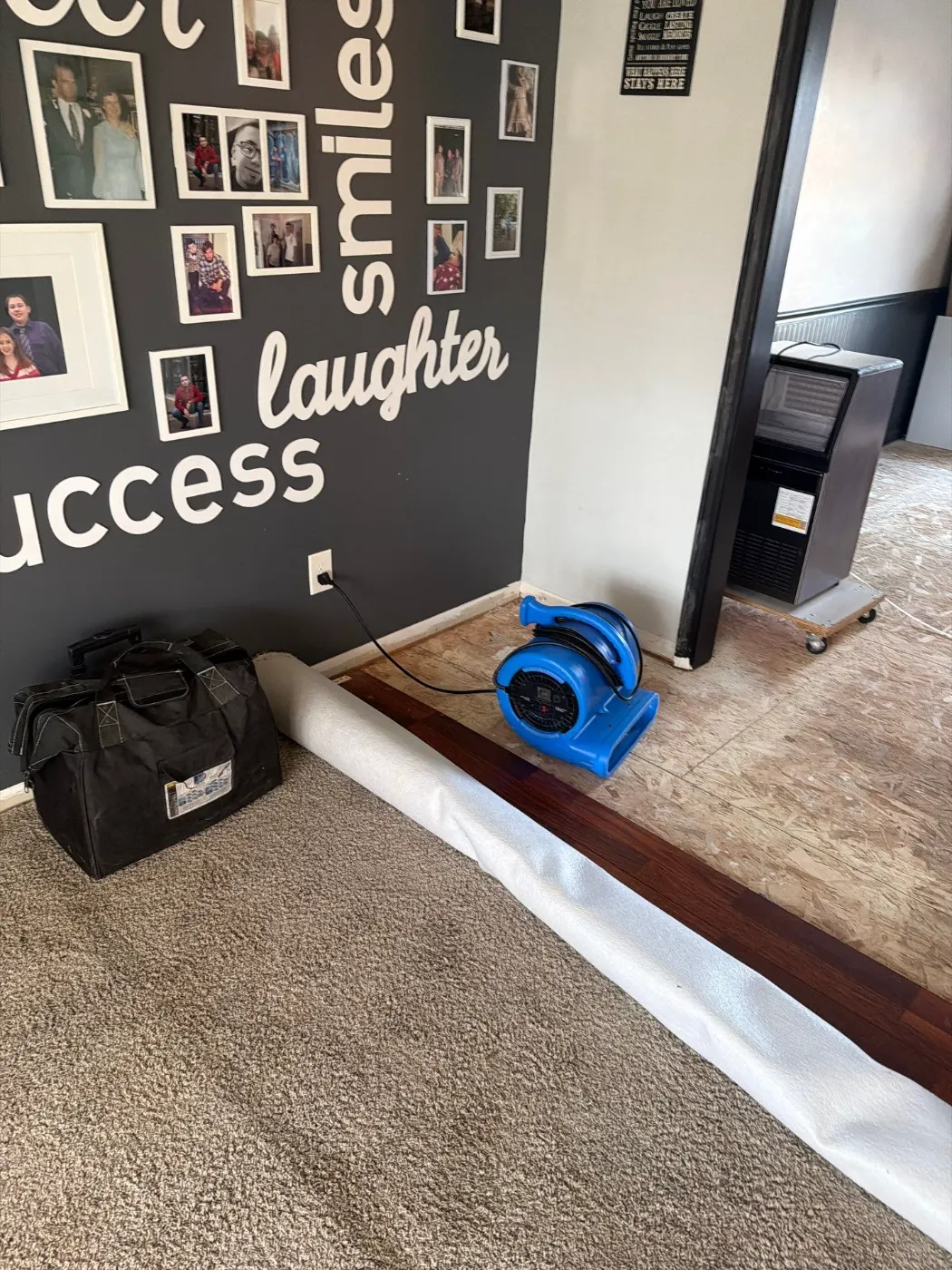
Commercial Storm Damage in Selma, IN
Commercial water restoration in Selma done to the IICRC S500, with desiccant drying and per suite documentation.
Selma Water Restoration is the Selma call for Commercial Storm Damage: emergency crews around the clock, moisture readings instead of guesswork, and insurance files built properly. Call (812) 515-1567.
- Service: Commercial Storm Damage for Selma homeowners
- Service area: Selma, IN and surrounding areas
- Response time: Rapid emergency dispatch for Selma inquiries; crews available 24/7
- Licensed and insured (License #RC21100059)
- Serving Selma, IN since 2018
Commercial Storm Damage for Selma Businesses
Your Selma building has to open tomorrow and there's standing water across half a floor plate. Shutting the whole tenant space down costs more than the water did, which is why the drying plan matters as much as the extraction. Selma Water Restoration works commercial losses in Selma, IN around an operating business, with containment that keeps the wet area separate from the part of the floor people are still using.
Property managers get a daily note from the Selma Water Restoration team with yesterday's readings, what moved and what's planned, with photos attached. If a reading goes the wrong way, the note says so and says what's changing. The person who has to brief ownership on a loss in Selma gets the numbers before that conversation starts.
When a rooftop unit curb leaks, the duct below it becomes part of the job. The crew checks the supply and return runs for wet lining and dries the ceiling space the duct crosses. Replacing damaged duct lining is a call for your HVAC contractor, and Selma Water Restoration shares the moisture readings with them at your Selma property.
A storm loss usually touches two parts of the policy, the building's roof and the interior that got wet. Selma Water Restoration scopes and documents them separately on your Selma property so the carrier can see what the emergency dry in covered and what the interior mitigation covered. If a roofing contractor handles the permanent repair, the team shares the interior documentation with them on request.
Selma Water Restoration can have a crew dispatched to your Selma building within two hours of your call. Standing water comes out, the roof gets dried in, and the drying plan gets built around the tenants who still have to work in there. Ask the team for the per suite documentation format when you call.
Signs You Need Commercial Storm Damage Restoration
If you notice any of these in your Selma building, schedule a free inspection before the issue worsens.
Water lines on the lower walls of a dock office or receiving area
Water tracking under the seals of overhead dock doors and pooling in the leveler pit
The smell of damp cardboard in a stockroom that gets stronger after each heavy rain
Fan coil or convector cabinets along a window wall holding water at the bottom
Open seams, shrinkage at a membrane lap, or a corner of the roof lifting in wind
Silt or sediment left as a film on the receiving area floor once the water drains off
Corrosion on a fire sprinkler line or head where the pipe runs close to the roof deck
Receptacles on an exterior wall that trip the breaker or show beads of moisture
Fresh brown rings on ceiling tile directly under an interior roof drain line
Tenants moving stock or equipment away from a wall because water keeps showing up there
How Selma Water Restoration Handles Commercial Storm Damage
We follow these steps in order on every Selma job.
First Call Intake
On the call, the team gathers where the water is entering, which areas are occupied, who holds keys and alarm codes, and who can authorize work, so the crew shows up at your Selma property with the right equipment and the access it needs.
Power and Safety Walk
Before extraction starts, the crew walks the wet areas with your building engineer and confirms which circuits serve them. Cords run through ground fault protection, and the electrician decides what can be reenergized.
Water Path Check
The crew traces the water from the roof breach down through the ceiling to the floors below and photographs the path. Water that backed up out of a drain tied into a sanitary line gets handled as sewage, and that call drives the protocol.
Occupied Space Planning
Suites and corridors that must stay in service get marked on the plan before any equipment is staged, along with where the barriers go. The loud work is scheduled for hours when the space is empty.
Dry Standard Verified
Affected materials have to match the dry standard measured in an unaffected part of the same building before equipment comes out. Final readings, photos and equipment run hours go in the file, and a punch walk sets what's left to rebuild.
Commercial Storm Damage in Selma
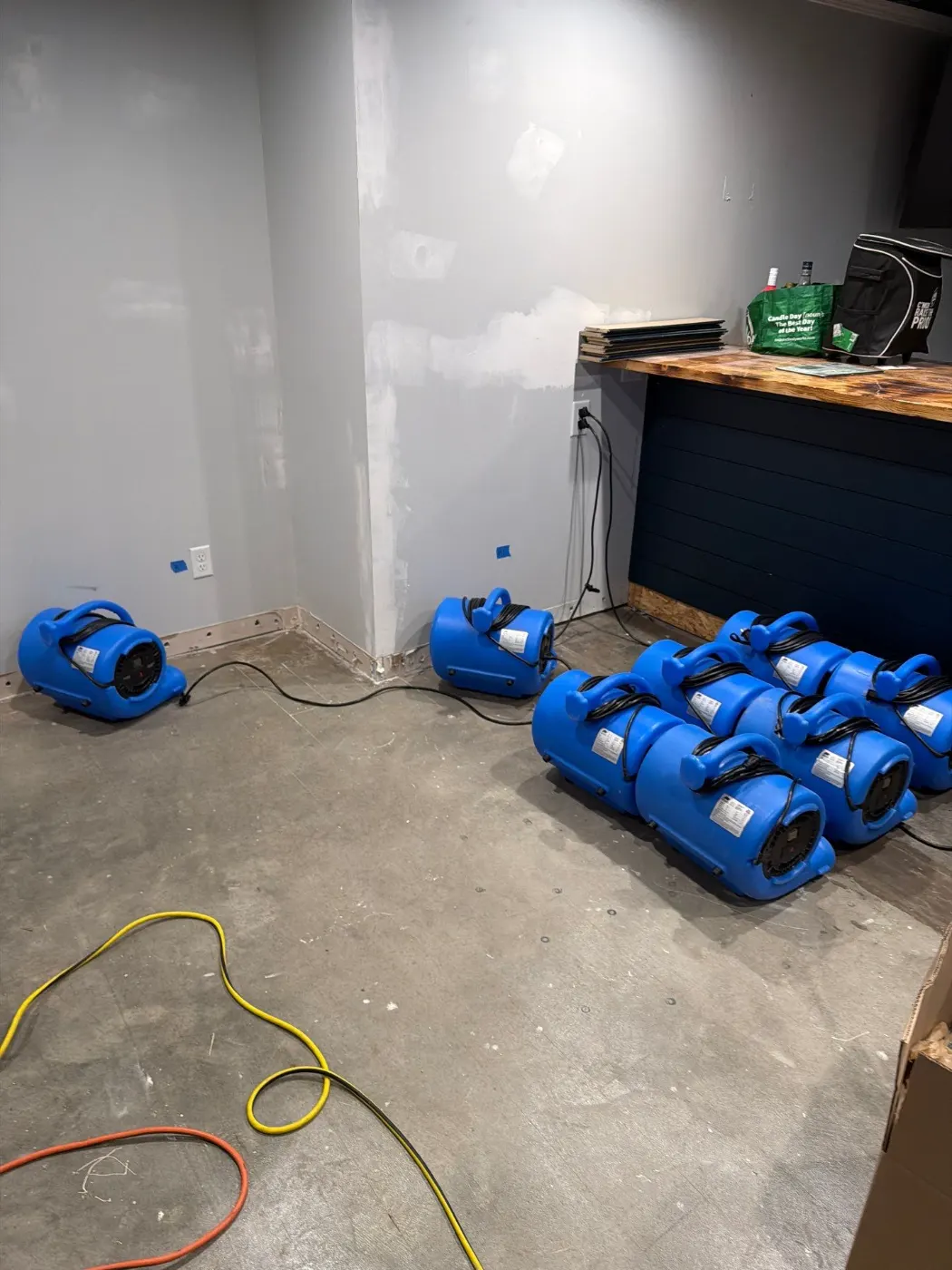
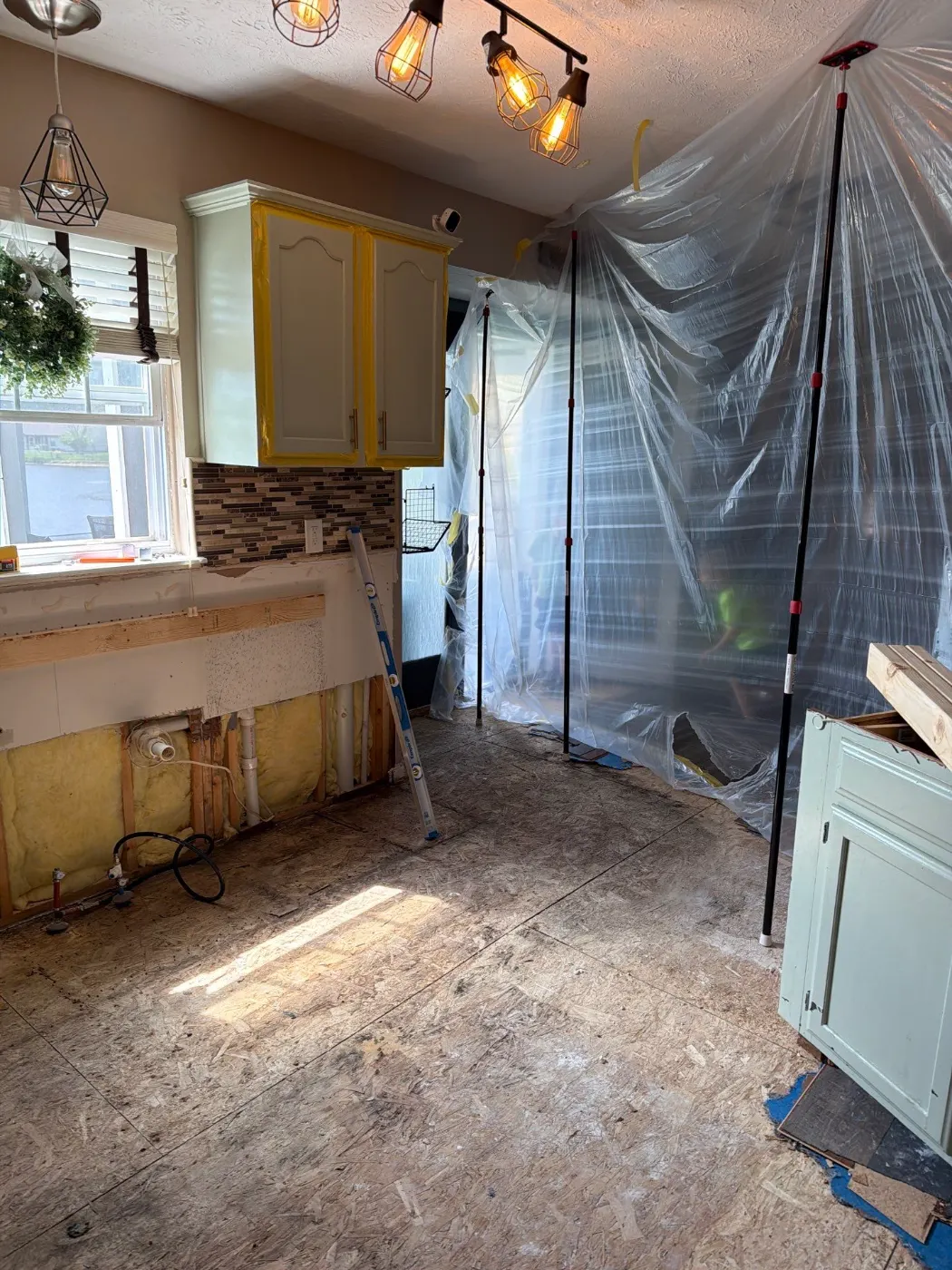
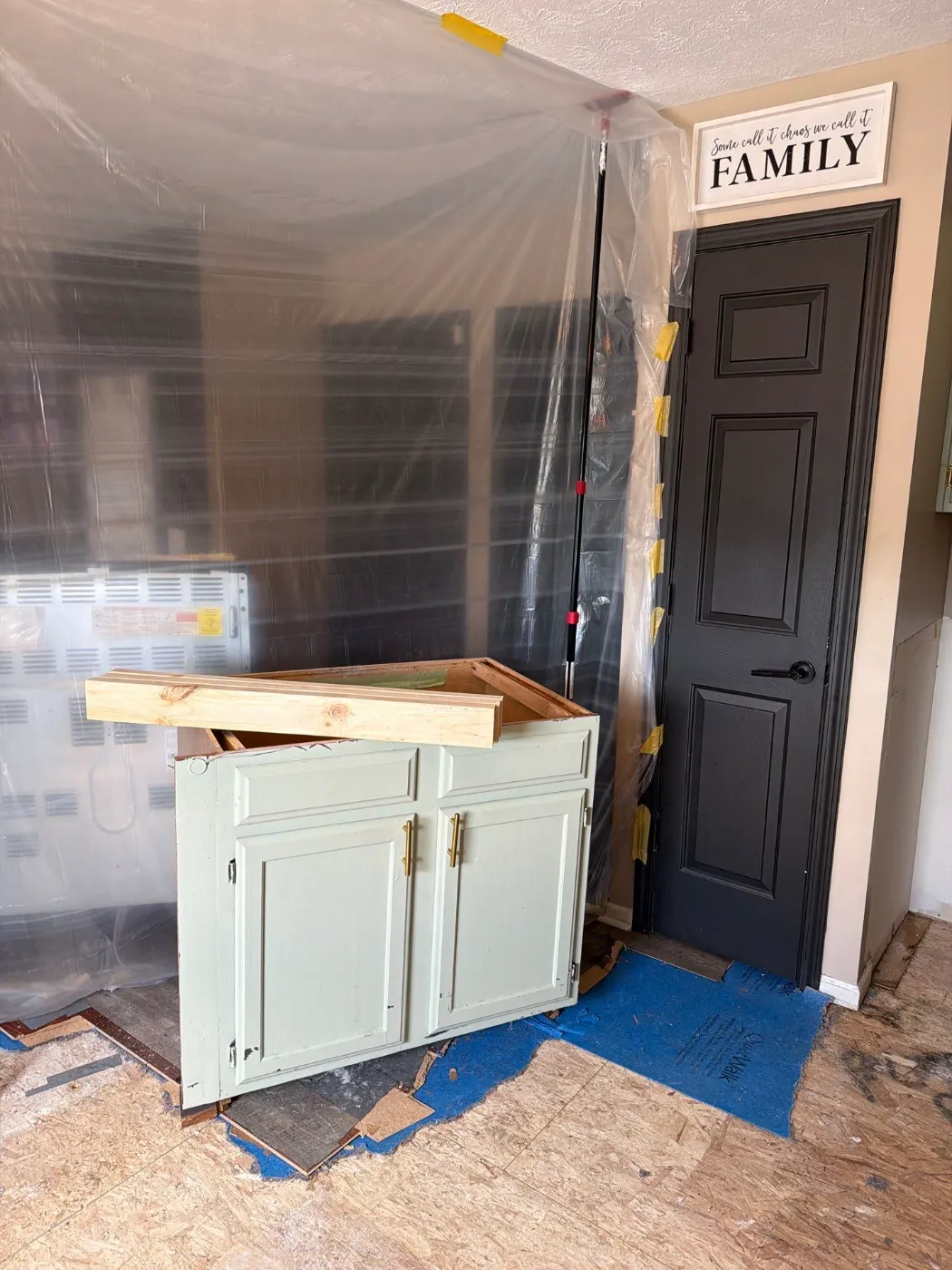
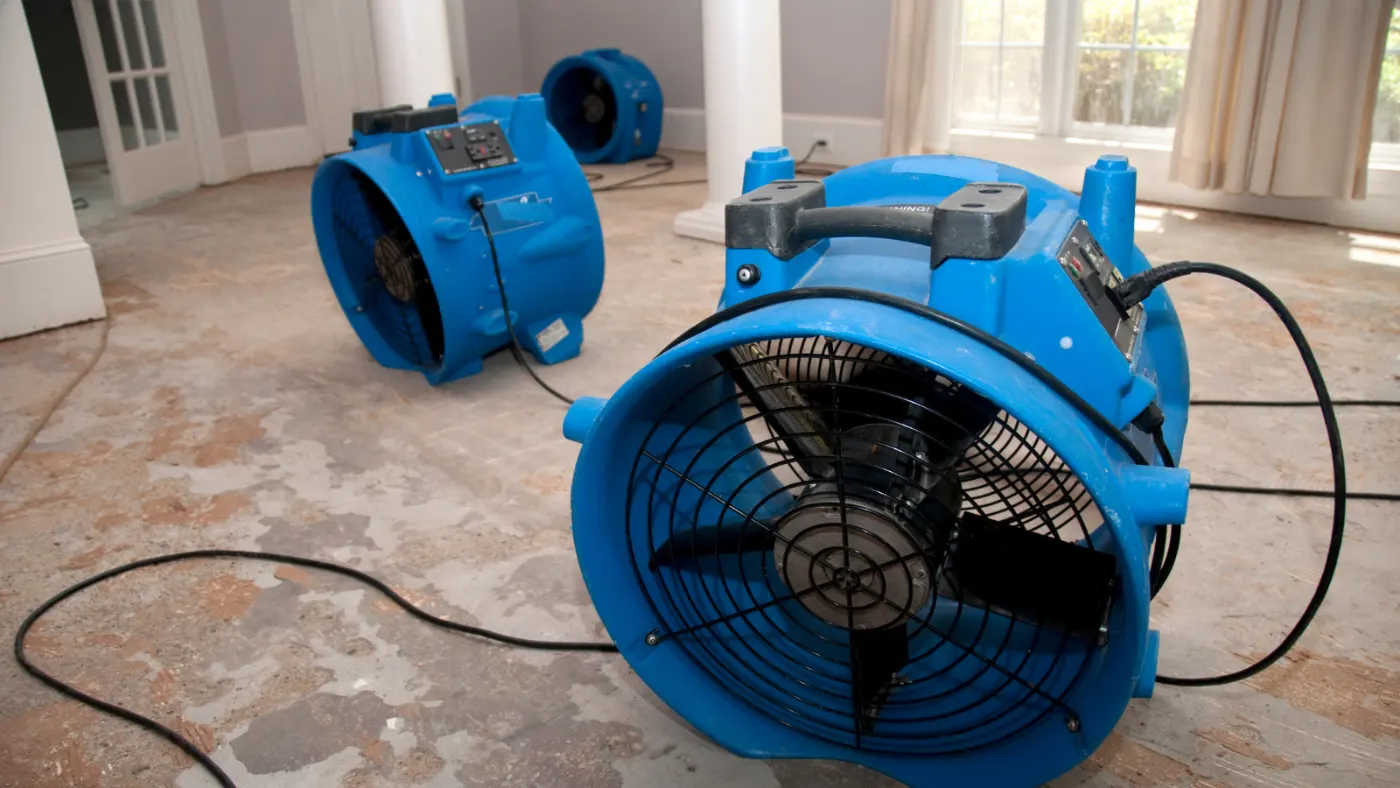
Photographs from real commercial storm damage jobs completed by our crew in Selma and surrounding areas.
Commercial Storm Damage FAQ
Questions Selma property managers ask us about commercial storm damage restoration.
Guidance and Standards for Commercial Storm Damage
- The National Weather Service office in Indianapolis posts summaries of recent central Indiana storm and flood events. NWS Indianapolis Event Summaries
- The ANSI/IICRC S500 is the published standard for professional water damage restoration. The current edition is the Fifth Edition, 2021. IICRC S500 Standard
Selma Neighborhoods We Serve
We take commercial storm damage calls in every part of Selma. Pick your neighborhood for local details.
Other Restoration Services in Selma
Selma Water Restoration handles the full scope of restoration work. Explore our other services below.
Water Damage Restoration in Selma
24/7 emergency response. IICRC certified water restoration from extraction to full dry out.
Learn more →Basement Flooding in Selma
Basement water emergencies handled fast. Extraction, drying, mold prevention.
Learn more →Sewage Cleanup in Selma
Category 3 biohazard cleanup. Full containment, decontamination, structural restoration.
Learn more →Request Commercial Storm Damage Restoration
Reach Us Directly
Our team is available 24/7 for emergencies and ready to schedule inspections during business hours.
Need Immediate Help?
For active water or mold emergencies, call us directly. We are available 24/7.