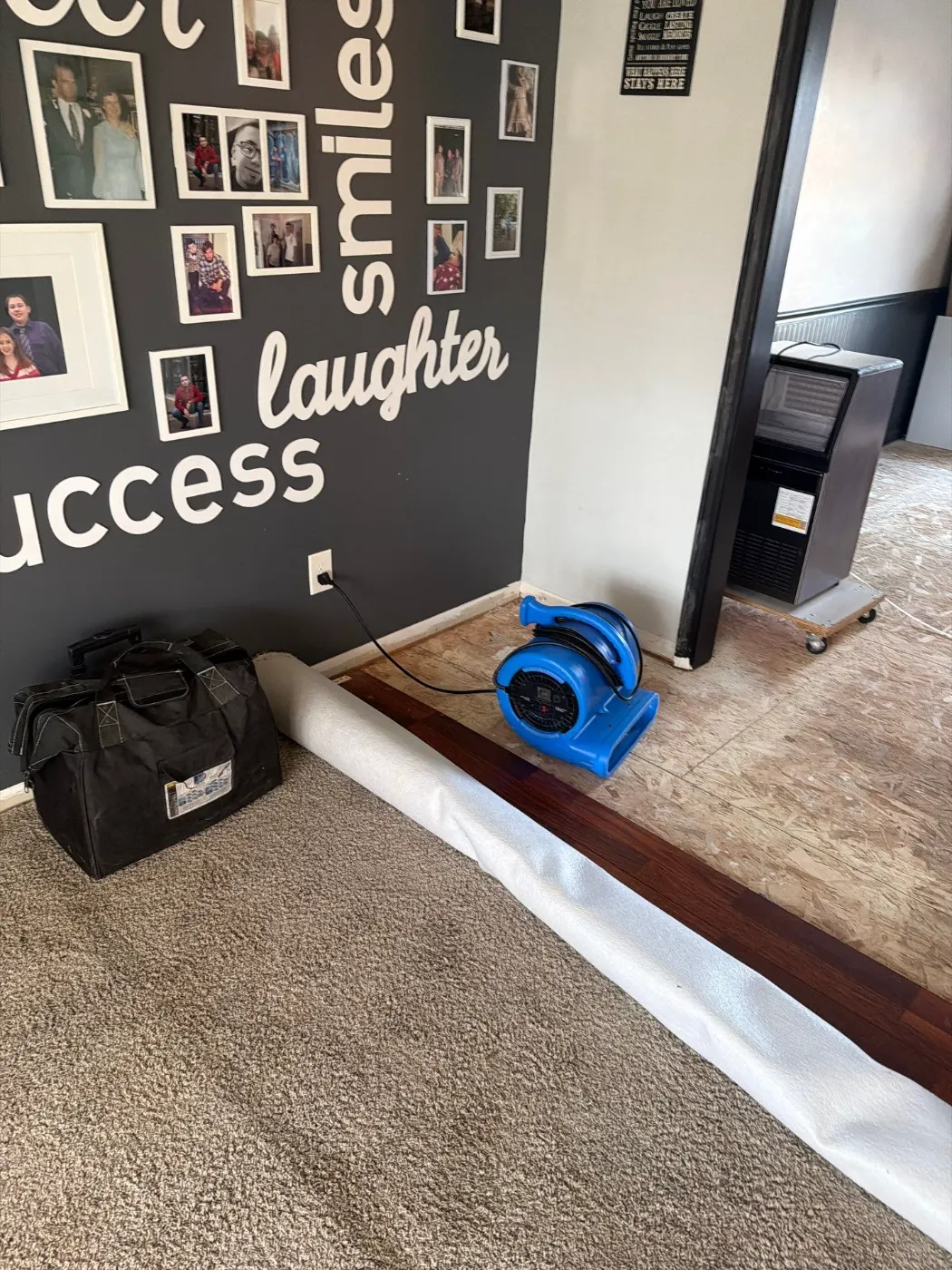
Commercial Water Restoration in Selma, IN
Commercial water restoration in Selma, from extraction through reconstruction, documented by suite and common area.
Selma Water Restoration provides professional Commercial Water Restoration in Selma: emergency availability every day of the year, certified crews, and coordination with your insurance carrier on approved claims. Call (812) 515-1567.
- Service: Commercial Water Restoration for Selma homeowners
- Service area: Selma, IN and surrounding areas
- Response time: Rapid emergency dispatch for Selma inquiries; crews available 24/7
- Licensed and insured (License #RC21100059)
- Serving Selma, IN since 2018
Commercial Water Damage Restoration in Selma
For offices and other commercial buildings in Selma, we'll handle water extraction and drying at any hour.
Site Conditions
Slow draining clay soil can keep water against foundations and lower levels after a storm. Freeze and thaw cycles each winter can burst pipes in unheated parts of a commercial building. Your building's own drains and roof get checked on the first walkthrough with whoever manages the property.
We cover commercial properties across Selma, including the area around the North Albany Street business district. We also handle commercial water losses in Gaston, Daleville, Liberty and Yorktown.
Commercial Water Restoration for Selma Businesses
Product on the sales floor and cases in the stockroom are the part of this loss with a dollar value attached, and the part that gets worse fastest. Cardboard wicks, labels lift, and anything on a bottom shelf is already compromised. Selma Water Restoration dispatches a crew to commercial water losses in Selma within 2 hours to pull standing water, move salvageable stock to dry ground, and photograph what a carrier will want itemized.
Selma Water Restoration documents a commercial water loss in Selma by suite and by common area from the first walkthrough. Photos, moisture readings and the scope get split the way a lease and a building file need them. Ownership, tenants and your carrier can all read the same record, and you decide who gets which part of it.
Suspended ceilings get handled before the drying chamber closes up. Saturated lay in tiles come down and get bagged, grid gets wiped and checked for corrosion, and insulation above the tile comes out while it's wet, since it holds water against the deck. The plenum then gets airflow and ducted dry air, because a ceiling cavity that stays humid keeps feeding moisture back into the space below.
After a freeze, carriers commonly ask whether heat was maintained in the building, so temperature logs from the building automation system and the thermostat settings are worth pulling early. Selma Water Restoration photographs the split pipe and its location, then records the space temperature at your Selma property, which adds facts about conditions on the day of the loss.
If water is still moving in your building, the call is the next step. Selma Water Restoration dispatches a crew to commercial losses in Selma within 2 hours, day or night. Bring your building engineer to the walkthrough and you'll have a documented scope with moisture readings the same day.
Signs You Need Commercial Water Restoration
If you notice any of these in your Selma building, schedule a free inspection before the issue worsens.
Ceiling tiles on the break room floor Monday morning with wet carpet tile beneath them
Classroom floor tile feeling soft or lifting along an exterior wall after heavy rain
Carpet tile edges curling or lifting where the adhesive underneath has released
Vinyl wallcovering seams curling or bubbling on an interior partition wall
Ice building up on a walk in cooler floor where water collected and refroze
Recessed lights flickering or a breaker tripping in a room with a stained ceiling
Ceiling tiles sagging or stained in a grid section that was dry at close of business yesterday
Water pooling at the base of an interior column or along a demountable partition track
Water wicking up the bottom of a metal door frame or steel stud track
Resilient tile seams popping loose, with tiles rocking underfoot along a corridor
How Selma Water Restoration Handles Commercial Water Restoration
We follow these steps in order on every Selma job.
Source Shutoff and Water Category
The engineer or the trade that owns the failed line closes it off, and the crew photographs the failure point and notes what kind of water came out of it. That category call sets how each wet material gets handled.
Air Handling Coordination
Units that serve the wet zone get identified with your engineer and HVAC contractor. Affected air handling is isolated or switched off, which keeps moisture from riding the return air to unaffected floors.
Selective Removal
Material comes out of your Selma building where the meters and the water category support it, and stays where it can dry in place. Each cut is photographed and logged by location, and the list is reviewed with you in writing.
Equipment Placement and Circuits
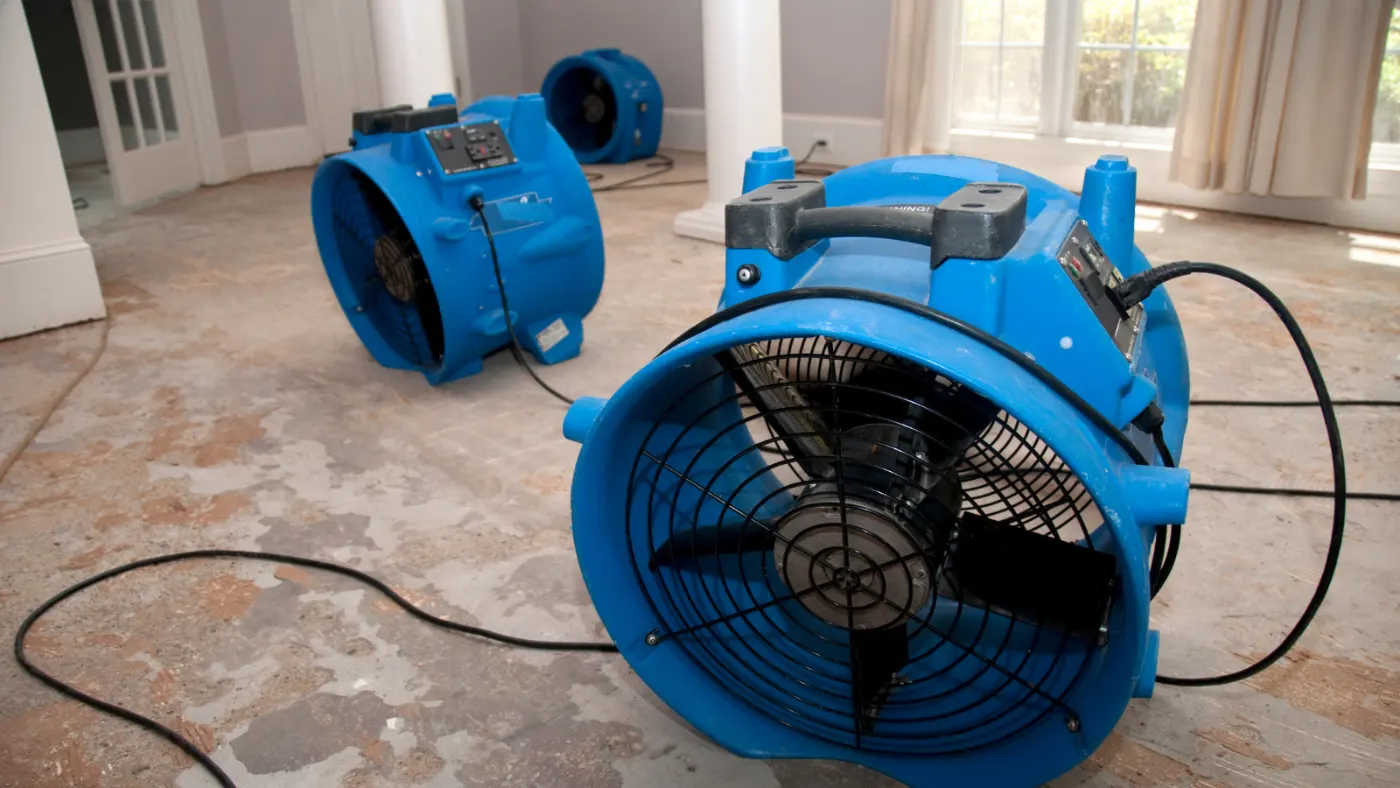
Air movers and dehumidifiers go where the drying calculation puts them, with ducting routed into plenums and shafts. The crew confirms what each circuit can carry and routes cords overhead or along walls to keep exits clear.
Clearance Verification
Previously wet materials get read against dry standard readings from the same materials in an unaffected part of the building. Equipment comes off the floor once those numbers are documented, and containment comes down after that.
Commercial Water Restoration in Selma
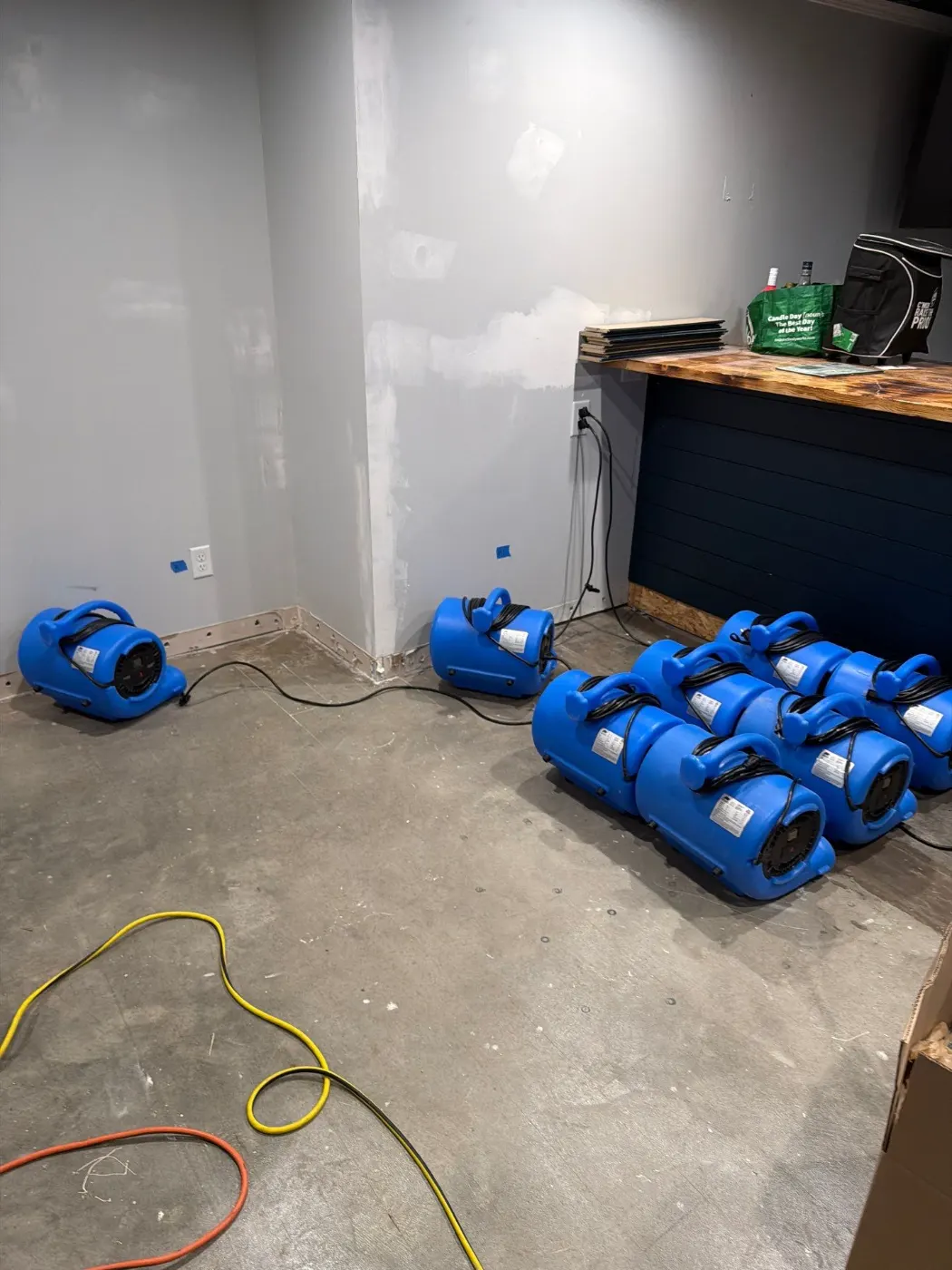
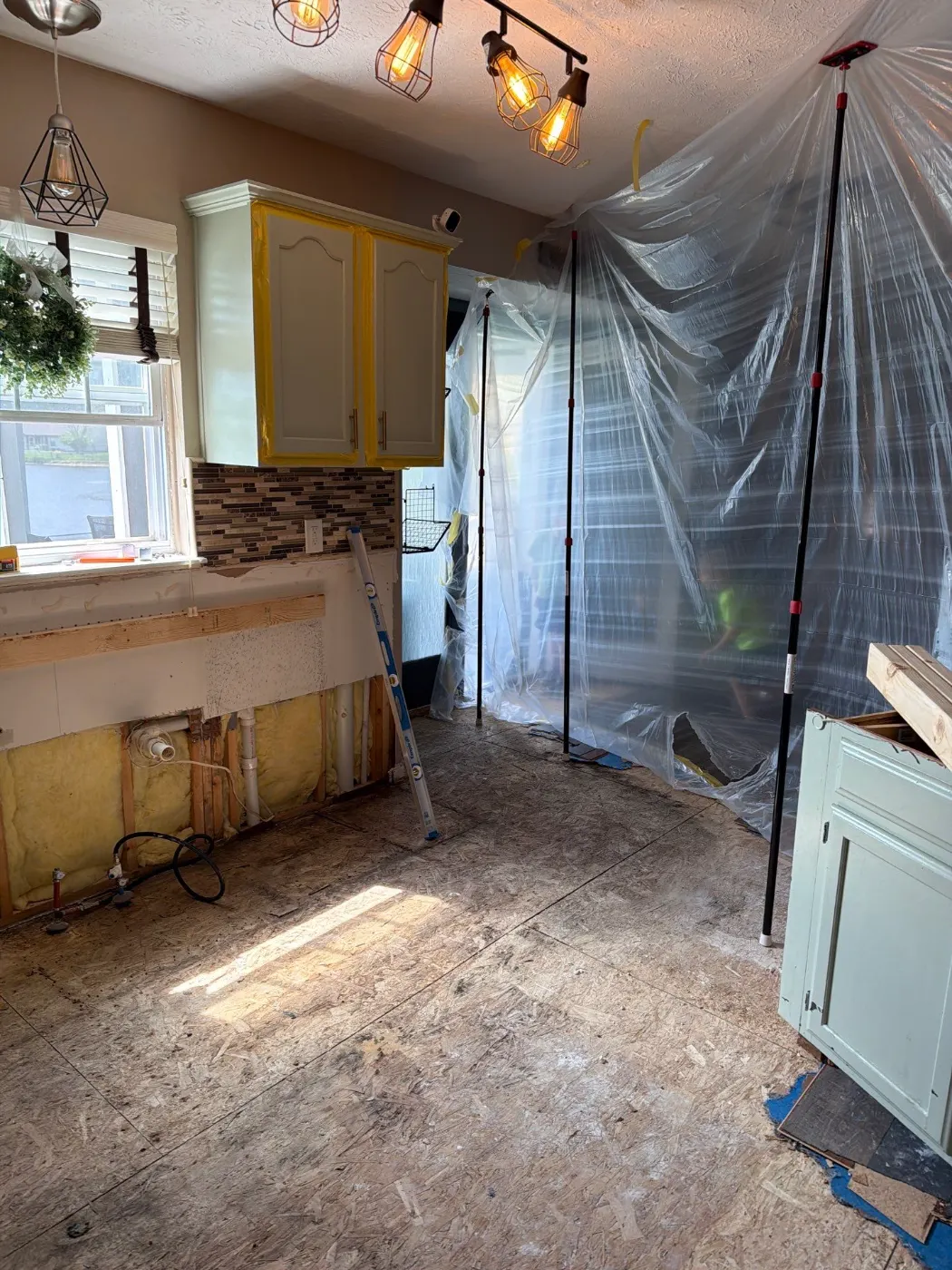
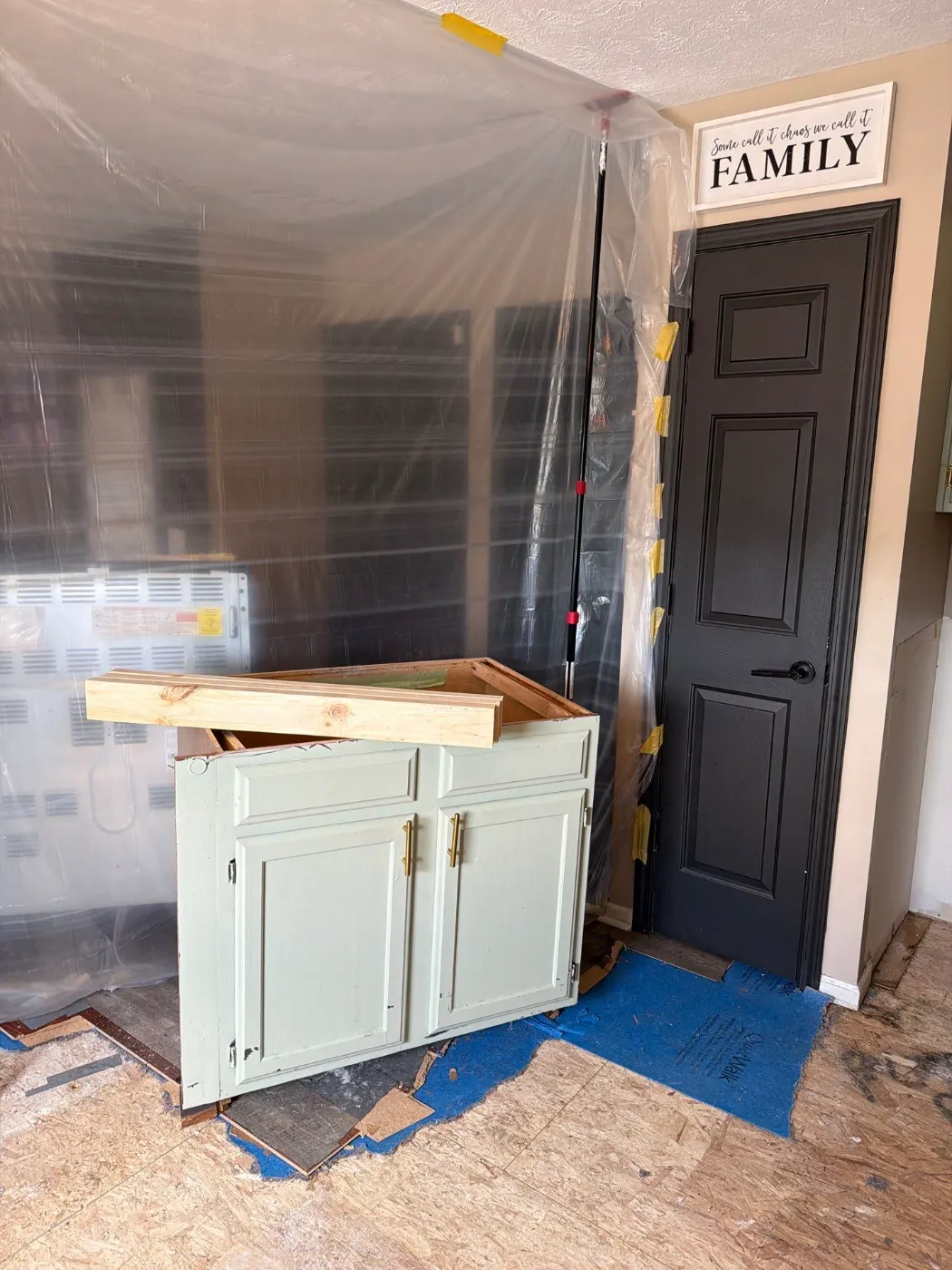
Photographs from real commercial water restoration jobs completed by our crew in Selma and surrounding areas.
Commercial Water Restoration FAQ
Questions Selma property managers ask us about commercial water restoration.
Guidance and Standards for Commercial Water Restoration
- The ANSI/IICRC S500 is the published standard for professional water damage restoration. The current edition is the Fifth Edition, 2021. IICRC S500 Standard
- EPA advises drying water damaged areas and items within 24 to 48 hours to prevent mold growth. EPA: A Brief Guide to Mold, Moisture and Your Home
Selma Neighborhoods We Serve
We take commercial water restoration calls in every part of Selma. Pick your neighborhood for local details.
Other Restoration Services in Selma
Selma Water Restoration handles the full scope of restoration work. Explore our other services below.
Water Damage Restoration in Selma
24/7 emergency response. IICRC certified water restoration from extraction to full dry out.
Learn more →Basement Flooding in Selma
Basement water emergencies handled fast. Extraction, drying, mold prevention.
Learn more →Sewage Cleanup in Selma
Category 3 biohazard cleanup. Full containment, decontamination, structural restoration.
Learn more →Request Commercial Water Restoration
Reach Us Directly
Our team is available 24/7 for emergencies and ready to schedule inspections during business hours.
Need Immediate Help?
For active water or mold emergencies, call us directly. We are available 24/7.